What is actually rare: violent crime against tourists, kidnapping, drugged drinks and serious assaults. They are not unknown, as in any big city, but they are not what Marrakech is about. Plan for the annoying stuff below, not the dramatic stuff.
The real risks, ranked
| Risk | How likely | What to do |
|---|---|---|
| Being overcharged (taxis, food stalls, shops) | Almost certain | Agree prices first; know the going rates. Scam guide. |
| Unofficial guides and "it's closed" tricks | Very likely | Do not follow anyone; "la, shukran" and keep walking |
| Mopeds and carts in the souks | Likely, near misses daily | Walk on the right, step aside at "balak!" |
| Upset stomach | Fairly likely | Bottled water, hot cooked food, hand gel |
| Pickpocketing / bag or phone snatch | Occasional | Cross-body bag, phone in front pocket in crowds |
| Harassment of women (verbal) | Common, mostly verbal | Ignore, keep moving, step into a shop if needed |
| Violent crime | Rare | Avoid empty lanes late at night; hand over valuables if ever threatened |
Petty theft and hustlers
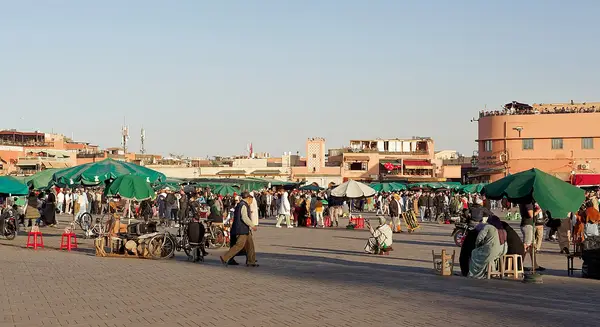
The crowds on Jemaa el-Fna in the evening, the main souk streets and the bus stops are where pickpockets work. UK government advice also mentions motorbike riders snatching visible bags, phones and jewellery. None of this is unique to Marrakech.
- Carry a cross-body bag worn in front, zipped. Leave the passport in the riad safe; carry a photocopy or a photo of it.
- Phone: do not walk along the road edge with it held out for directions. Step into a doorway to check the map.
- Cash: carry what you need for the day. Use ATMs inside banks or in daylight.
- Hustlers are the bigger issue: fake guides, the tannery invitation, henna that starts before you agree, a monkey placed on your shoulder. They want money, not trouble, and a firm no works. We cover each one in Marrakech scams and how to handle them.
- If someone gets aggressive about money, walk into the nearest shop, café or hotel, or towards the police on the square. It defuses instantly.
Traffic: the risk nobody mentions
Honestly, mopeds are more dangerous than people. Motorbikes, bicycles, donkey carts and handcarts all use the same narrow lanes as pedestrians, at speed and without much warning. Outside the Medina, crossing the big avenues (Mohammed V, the boulevards around the walls) needs attention: drivers do not reliably stop at crossings.
- When you hear "balak!" (watch out), step to the side immediately.
- Keep children on the inside of the lane, holding hands. Marrakech with kids.
- Cross big roads with locals, at the same time as them.
- Petit taxis: rear seatbelts are often missing. Short urban hops at low speed; accept it or use an app car.
- Driving yourself: possible, but night driving on rural roads and mountain routes is where accidents happen. Day trips such as Ouzoud and Essaouira are easier with a tour or driver.
Women and solo travellers
Women travelling alone do come to Marrakech every week and most leave happy, but you should expect unwanted attention, mainly verbal: compliments, questions, someone walking alongside you. It is tiring rather than threatening.
- Dress: there is no legal dress code, but loose clothes covering shoulders, chest and knees noticeably reduce the attention. A light scarf is useful for sun and mosques.
- Body language: sunglasses, a purposeful walk, no long explanations. You do not owe anyone a conversation.
- Riads: pick one with recent reviews from solo women, a staffed reception at night and someone who will meet you at the drop-off point.
- Evenings: the square and the restaurants around it are fine; use an app taxi or riad driver back if you are deep in the Medina.
- A guide on day one (female guides are available on the platforms) is the fastest way to learn the layout and feel at ease.
- Solo men get the hustlers instead: endless "my friend, where are you from?". Same response: smile, no, keep walking.
LGBT+ travellers: same-sex relations are illegal in Morocco and public displays of affection by any couple are frowned upon. Discretion in public is the norm; riads and hotels are generally relaxed.
Marrakech at night
- Jemaa el-Fna is at its busiest from 18:00 to about midnight. Safe, crowded, watch your pockets.
- The souks close around 20:00–21:00 and the lanes go dark. Not a high-crime area, but easy to get lost: this is when "guides" offer to walk you home and ask for money.
- Gueliz and Hivernage have the bars and clubs. Taxis there are easy; agree the fare or use inDrive or Careem.
- Alcohol is sold in licensed bars, hotels and some restaurants. Drinking in public is illegal.
- Arriving at night? Book a transfer and have the riad meet you. Airport to Medina guide.
Health, food and water
- Water: treated, but drink bottled for the first days. Fresh orange juice on the square is pressed in front of you; ask for it without added water or sugar.
- Food: the busy stalls are usually the safest because the food turns over fast. Hot and cooked is the rule; go easy on salads for the first day or two.
- Heat: from June to September, 40°C is normal at midday. Heat exhaustion is a more likely problem than anything on this page. Hat, water, and indoors from 13:00 to 16:00. Best time to visit.
- Animals: do not touch the monkeys or street cats; rabies exists in Morocco. A scratch means a clinic visit.
- Pharmacies (green cross) are everywhere and pharmacists are knowledgeable; a night pharmacy rota is posted on every door. Private clinics in Gueliz are good; travel insurance is essential.
Emergency numbers
| Service | Number | Note |
|---|---|---|
| Police | 19 | Also listed as 190 by the UK government; 112 works from mobiles |
| Ambulance and fire | 15 | Also listed as 150 |
| Gendarmerie royale (rural areas, roads) | 177 | Relevant on day trips outside the city |
| Marrakech tourist police | 05 24 38 46 01 | Also 05 24 88 86 80 (listed by the Marrakech tourist office); post on Jemaa el-Fna |
| Your embassy | Rabat | Save the number before you travel; some countries also have a consulate in Marrakech or Casablanca |
Checked October 2026. Sources disagree on the 2- vs 3-digit versions; save both. Emergency numbers are free and work without credit.
Safety in Marrakech: frequently asked questions
Is Marrakech safe for tourists?
Yes, for the vast majority of visitors. Millions come every year and the usual problems are hassle, overcharging and the occasional pickpocket, not violence. Government travel advice (UK, US and others) does flag petty crime in medinas and a general terrorism threat for Morocco, as it does for much of Europe. Use normal city sense and you will be fine.
Is Marrakech safe for women travelling alone?
Generally yes, but expect more attention than at home: comments, "bonjour gazelle", men walking alongside you for a few steps. It is irritating rather than dangerous, and it drops sharply once you look like you know where you are going. Loose clothing covering shoulders and knees helps; a confident "la, shukran" (no, thank you) and no further engagement ends most of it. Pick a riad with good reviews from solo women and use apps or riad drivers at night.
What are the emergency numbers in Morocco?
Police: 19. Ambulance and fire: 15. Gendarmerie (outside cities): 177. From a mobile, 112 also connects to emergency services. Some sources, including the UK government, list 190 (police) and 150 (ambulance); try those if the short number does not connect. The Marrakech tourist police can be reached on 05 24 38 46 01 and have a post on Jemaa el-Fna.
Can I drink the tap water in Marrakech?
The city water is treated and locals drink it, but most visitors stick to bottled water (5–10 MAD for 1.5 litres) for the first days to avoid an upset stomach. Ice in hotels and proper restaurants is made from treated water. Peel fruit, eat cooked food that is hot, and you will very likely be fine.
Is the Medina safe at night?
Jemaa el-Fna and the main streets around it are busy until about midnight and well policed. The deeper souk lanes empty after 21:00 when the shops shut: they are not especially dangerous, but they are dark and easy to get lost in. Walk with purpose, keep your phone map ready, and ask your riad to meet you if you are returning late. See also the common hustles.
More Marrakech guides
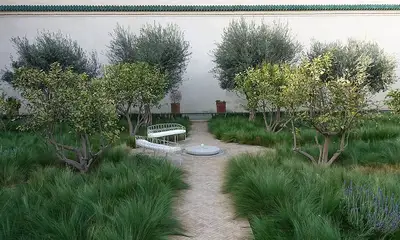
Le Jardin Secret
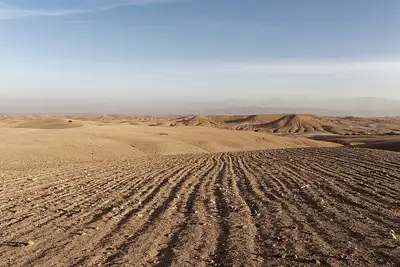
Agafay Desert
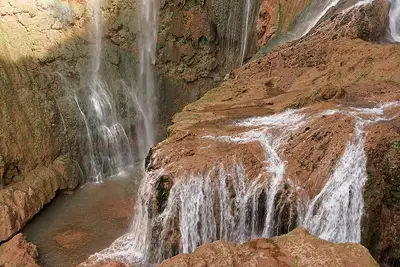
Ouzoud Waterfalls
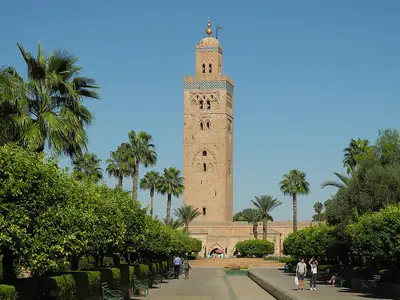
Koutoubia & Medina
Also useful: Essaouira day trip · Marrakech scams · Marrakech in 3 days · Prices & opening hours · Best time to visit · Menara Gardens